
Jim Corbett National Park is a national park in India located in the Nainital district of Uttarakhand state. The first national park in India, it was established in 1936 during the British Raj and named Hailey National Park after William Malcolm Hailey, a governor of the United Provinces in which it was then located. In 1956, nearly a decade after India's independence, it was renamed Corbett National Park after the hunter and naturalist Jim Corbett, who had played a leading role in its establishment and had died the year before. The park was the first to come under the Project Tiger initiative.
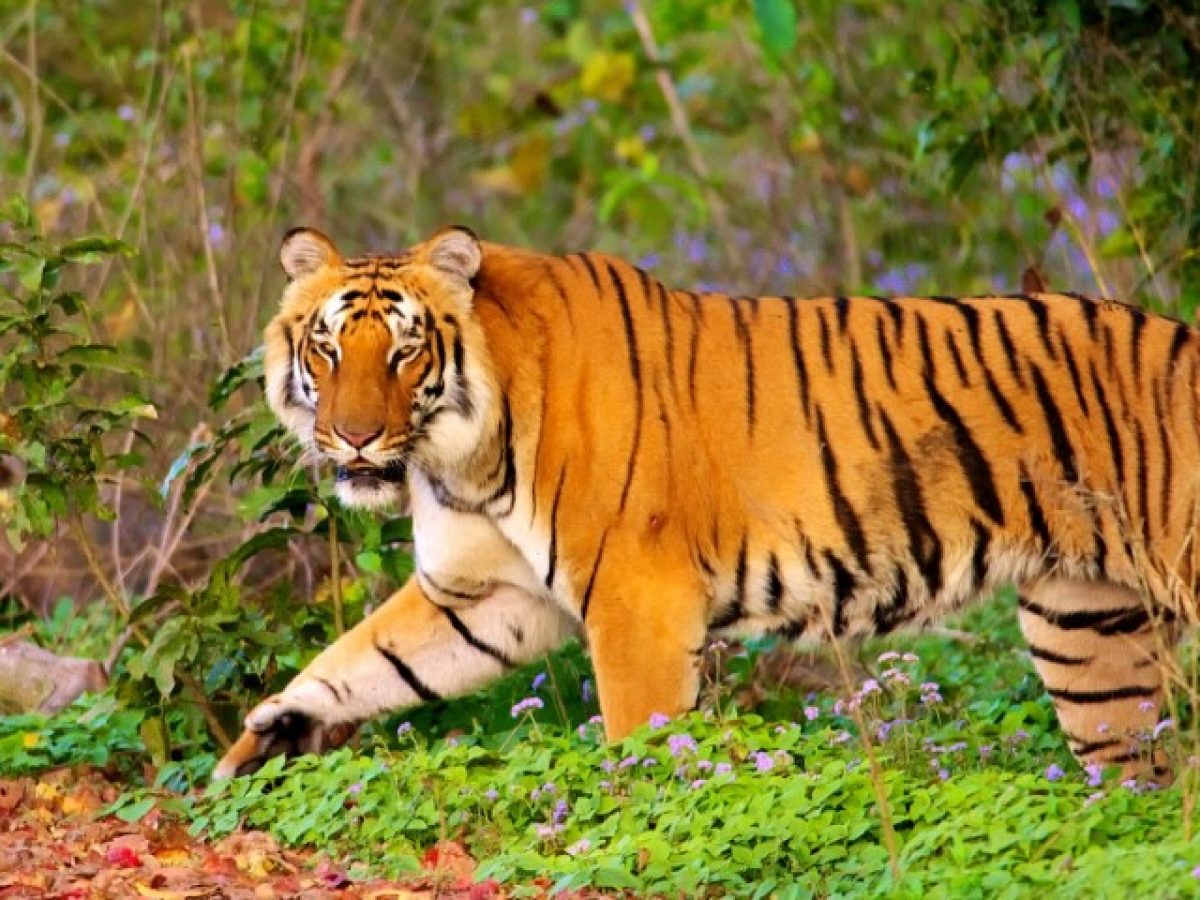
Jim Corbett National Park is a forested wildlife sanctuary in northern India’s Uttarakhand State. Rich in flora and fauna, it’s known for its Bengal tigers. Animals, including tigers, leopards and wild elephants, roam the Dhikala zone. On the banks of the Ramganga Reservoir, the Sonanadi zone is home to elephants and leopards, along with hundreds of species of birds.
Corbett National Park, which is a part of the larger Corbett Tiger Reserve, a Project Tiger Reserve lies in the Nainital district of Uttarakhand. The magical landscape of Corbett is well known and fabled for its tiger richness. Established in the year 1936 as Hailey National Park, Corbett has the glory of being India's oldest and most prestigious National Park. It is also being honored as the place where Project Tiger was first launched in 1973. This unique tiger territory is best known as the father who gave birth of the Project Tiger in India to protect the most endangered species and the Royal of India called Tigers.
In order to promote tourism in the region Corbett National Park has been divided into five different zones. These are the marked buffer or core area of the park where visitors can be part of wildlife safari and can enjoy the intriguing behavior of the animals with bare eyes at proximity.
Some areas of the park were formerly part of the princely state of Tehri Garhwal. The forests were cleared by the Environment and Forests Department (Uttarakhand) to make the area less vulnerable to Rohilla invaders. The Raja of Tehri formally ceded a part of his princely state to the East India Company in return for their assistance in ousting the Gurkhas from his domain.[8] The Buksas—a tribe from the Terai—settled on the land and began growing crops, but in the early 1860s they were evicted with the advent of British rule.
Leave a Reply